
Blogs
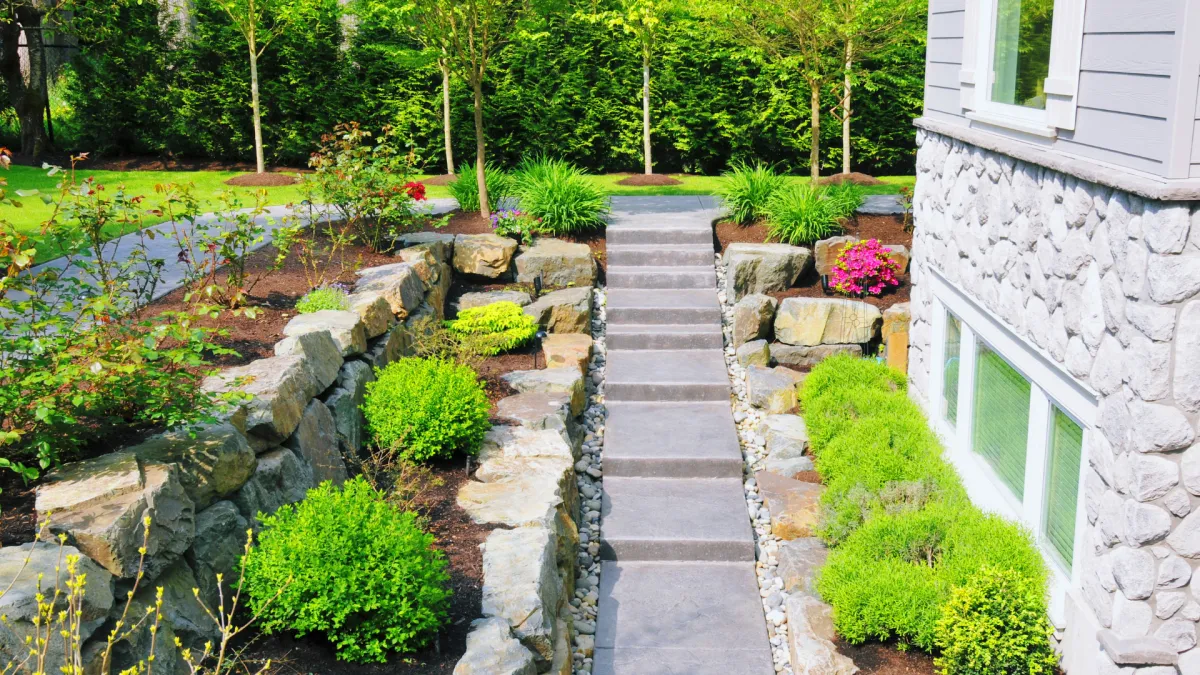
How Can I Create A Sustainable Landscape Design?
To craft a sustainable landscape design, start by assessing your site's natural features, such as soil type, sunlight exposure, and drainage patterns. Choose native plants that are well-suited to your region's climate and require minimal water and maintenance. Incorporate permeable surfaces like gravel or permeable pavers to reduce runoff and promote groundwater recharge.
Integrate sustainable hardscaping elements, such as recycled materials or permeable pavers, to minimize environmental impact. Design with biodiversity in mind by creating habitats for local wildlife, such as birdhouses, butterfly gardens, or native plantings. Implement water-saving techniques like rain gardens, rain barrels, or drip irrigation systems to conserve water and reduce your ecological footprint.
At Greystone Hardscapes, we're passionate about helping you achieve both beauty and sustainability in your landscaping projects. Let's explore how you can create a landscape that not only enhances your property but also contributes positively to the ecosystem.
Key Takeaways:
Assess site conditions and choose native plants for sustainability.
Use permeable surfaces and sustainable hardscaping materials.
Design with biodiversity in mind to support local wildlife.
Implement water-saving techniques like rain gardens and drip irrigation.
Maximizing Water Efficiency in Your Landscape Design
Incorporating water-efficient practices into your landscape design not only conserves water but also saves you money and promotes environmental sustainability. Start by selecting drought-tolerant plants native to your region, as they require less water and maintenance compared to non-native species. Group plants with similar water needs together and use mulch to retain moisture and suppress weeds, reducing the need for frequent watering.
Choose drought-tolerant native plants.
Group plants with similar water needs.
Use mulch to retain moisture.
Install a drip irrigation system.
Integrate rainwater capture techniques.
Consider installing a drip irrigation system, which delivers water directly to the roots of plants, minimizing evaporation and runoff. Rain sensors can also be integrated into your irrigation system to prevent watering during rainy periods. Additionally, design your landscape to capture rainwater through techniques like rain gardens or swales, allowing water to infiltrate into the soil and replenish groundwater.
Exploring Sustainable Materials for Hardscaping Projects
When planning hardscaping projects, opt for sustainable materials that minimize environmental impact while providing durability and aesthetic appeal. Consider using recycled materials such as reclaimed wood, recycled concrete, or composite decking for features like decks, patios, and pathways. These materials not only reduce waste but also require less maintenance and have a longer lifespan than traditional alternatives.
Use recycled materials like reclaimed wood or concrete.
Consider permeable pavers made from recycled materials.
Explore bamboo for fencing or screening.
Opt for sustainable alternatives to natural stone.
Explore alternatives to natural stone, such as permeable pavers made from recycled materials, which allow water to infiltrate into the ground and reduce stormwater runoff. Bamboo, a rapidly renewable resource, can be used for fencing, pergolas, or screening, providing a sustainable and stylish option for your outdoor space.
Creating Habitat Gardens: Attracting Wildlife to Your Yard
Habitat gardens are designed to attract and support local wildlife, providing food, shelter, and nesting sites for birds, butterflies, bees, and other beneficial creatures. To create a habitat garden, choose a variety of plants native to your region that offer nectar, pollen, seeds, and berries throughout the year. Incorporate a mix of flowering plants, shrubs, and trees to provide different levels of habitat and diversity.
Select native plants that provide food and shelter.
Incorporate features like bird feeders and baths.
Create sheltered areas with dense vegetation.
Minimize pesticide use and avoid invasive species.
Include features like bird feeders, bird baths, and nesting boxes to attract and support a diverse range of bird species. Create sheltered areas with dense vegetation, rock piles, or brush piles for small mammals, reptiles, and amphibians. Minimize pesticide use and avoid invasive plant species to maintain a healthy and balanced ecosystem in your habitat garden.
The Benefits of Rainwater Harvesting Systems in Landscape Design
Rainwater harvesting systems capture and store rainwater for use in irrigation, reducing reliance on municipal water sources and conserving water resources. These systems typically consist of a collection surface, such as a roof or paved area, gutters and downspouts to channel rainwater into storage tanks or cisterns, and filtration and distribution systems to deliver water where it's needed.
Capture and store rainwater for irrigation.
Reduce reliance on municipal water sources.
Protect water quality and recharge groundwater.
Mitigate flooding and alleviate pressure on stormwater infrastructure.
Lower water bills and promote healthier landscapes.
By collecting rainwater from your roof or other surfaces, you can reduce stormwater runoff and erosion, protect water quality, and recharge groundwater supplies. Rainwater harvesting systems also help mitigate flooding and alleviate pressure on municipal stormwater infrastructure during heavy rainfall events. Additionally, using harvested rainwater for irrigation can lower water bills and promote healthier, more resilient landscapes.
Unlocking Sustainable Beauty: Greystone Hardscapes Leads the Way
Crafting a sustainable landscape design is not only a rewarding endeavor but also a profound commitment to the well-being of our planet. By integrating native plants, permeable surfaces, and innovative water-saving techniques into your outdoor space, you not only create a breathtaking landscape but also contribute to the preservation of our natural environment. At Greystone Hardscapes, we take pride in leading the charge towards sustainable landscaping practices.
With our expertise and dedication, we work closely with you to design and implement eco-friendly solutions that harmonize with your surroundings while elevating the aesthetic appeal of your property. By choosing Greystone Hardscapes, you're not just investing in a beautiful landscape; you're making a conscious choice to prioritize sustainability and conservation. Let us be your partner in creating a landscape that not only enhances your lifestyle but also leaves a positive impact on future generations.
Ready to Transform Your Landscape? Contact Greystone Hardscapes Today!
Reach out to Greystone Hardscapes today to schedule a consultation with our expert team. Let us guide you in transforming your outdoor space into a haven of natural beauty and sustainability.
Contact us now to embark on the journey towards a greener, more vibrant landscape that enriches your property and the environment.

You Dream It.
We Build It.
Superior Craftmanship.
Every Time.



Hardscape Services:
Copyright © Greystone Hardscapes Inc. 2026. All Rights Reserved. Privacy Policy. Terms & Conditions. Web Design by Fused Media